
Introduction
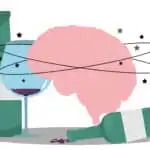
Anxiety doesn’t always arrive on its own terms. Sometimes, it shows up uninvited—carried in by the very substances people turn to for relief or escape. Substance induced anxiety disorder represents a complex intersection where chemical dependencies and mental health collide, creating a cycle that’s as frustrating as it is frightening. Moreover, understanding this condition is the first step toward breaking free from its grip.

What is Substance Induced Anxiety Disorder?
Substance induced anxiety disorder isn’t your garden-variety nervousness. Instead, it’s a clinically recognized condition where anxiety symptoms develop as a direct result of substance use, intoxication, or withdrawal [1]. Furthermore, this diagnosis applies when the anxiety is significantly more severe than what you’d typically expect from the substance’s known effects. While many people experience temporary jitters or unease when using certain substances, substance induced anxiety disorder involves persistent, debilitating symptoms that interfere with daily functioning. In addition, these symptoms must occur during or shortly after substance intoxication or withdrawal to qualify for this specific diagnosis [2].
Interestingly, substance/medication-induced anxiety disorder can stem from both recreational drugs and prescription medications. Consequently, even medications prescribed by healthcare providers can trigger this condition in susceptible individuals. The clinical reality is straightforward: if a substance is causing your anxiety rather than an underlying anxiety disorder, you’re dealing with substance induced anxiety.
Causes of SIAD
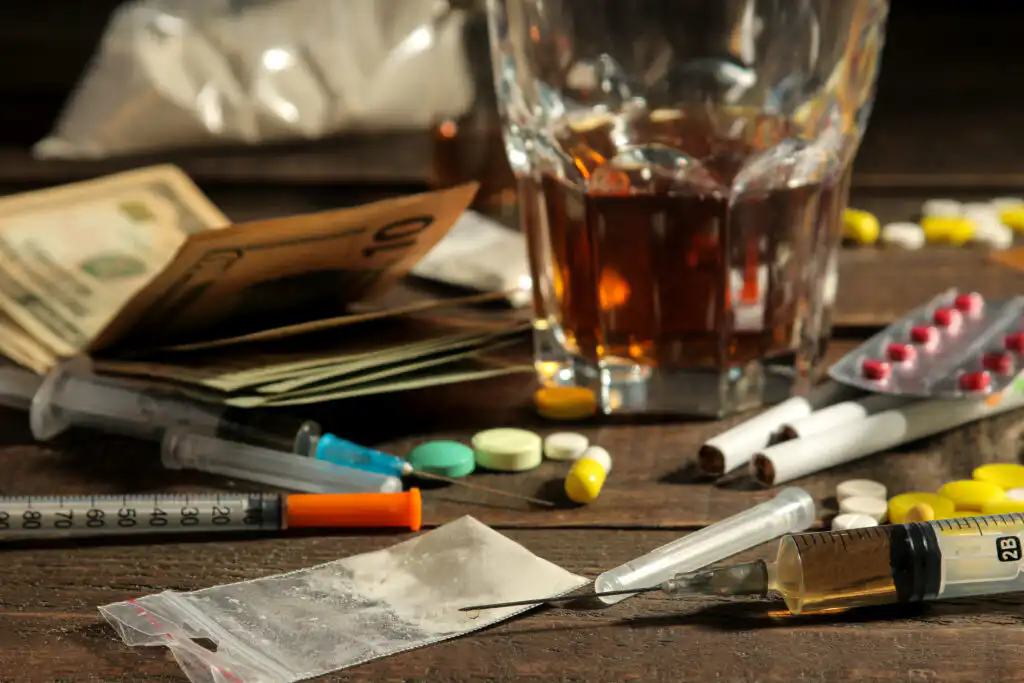
The relationship between substance abuse and anxiety runs deeper than simple cause and effect. Essentially, different substances wreak havoc on your brain’s delicate chemistry in distinct ways, leading to varied manifestations of anxiety. Does cocaine cause anxiety? Absolutely. Cocaine and anxiety go hand-in-hand because the drug floods your system with dopamine and norepinephrine, neurotransmitters that rev up your nervous system to unsustainable levels. Similarly, cocaine panic attacks occur when this overstimulation reaches a breaking point, triggering intense episodes of terror and physical distress [3]. Can alcohol trigger panic attacks? Without question. Alcohol disrupts GABA receptors creating a rebound effect during withdrawal that manifests as severe anxiety.
Other substances contribute to drug-induced anxiety symptoms as well. Cannabis, particularly high-THC strains, can trigger panic in some users. Meanwhile, prescription medications including certain antibiotics, corticosteroids, and ADHD medications carry anxiety as a documented side effect. Medication induced anxiety disorder affects countless individuals who never anticipated that their prescribed treatments would become sources of distress. The underlying mechanisms vary by substance class. Nevertheless, the common thread involves neurochemical disruption. When substances interfere with neurotransmitter balance, anxiety often follows—sometimes immediately, sometimes during withdrawal, and occasionally as a lingering aftereffect.
Signs & Symptoms of Substance Induced Anxiety Disorder
Recognizing substance induced anxiety disorder requires attention to both physical and psychological manifestations. Typically, symptoms emerge in predictable patterns tied to substance use or cessation. Physical symptoms hit hard and fast. Your heart races uncontrollably, pounding so forcefully you can feel it in your throat. Sweating drenches your clothes despite comfortable temperatures. Trembling hands make simple tasks impossibly difficult. Additionally, shortness of breath creates the terrifying sensation that you can’t get enough air, while dizziness threatens to knock you off balance. The psychological components prove equally distressing. Overwhelming worry consumes your thoughts, spiraling into catastrophic thinking patterns. Restlessness prevents you from sitting still or finding any comfortable position. Concentration becomes nearly impossible as anxious thoughts hijack your attention.
Drug-induced anxiety symptoms often intensify during specific windows. For instance, cocaine induced anxiety typically peaks during the comedown phase, when your depleted neurotransmitters leave you vulnerable and hypersensitive. Conversely, alcohol-related anxiety tends to worsen during withdrawal, creating what many describe as “hangxiety”—that crushing morning-after dread that extends far beyond a simple headache. Panic attacks represent the most acute manifestation. These episodes involve sudden, overwhelming fear accompanied by intense physical sensations. Can drugs cause panic attacks? Definitively yes. Drug induced panic attacks can occur during intoxication, withdrawal, or even days after last use, depending on the substance and individual factors.
How Long Does Substance-Induced Anxiety Last?
The duration question—how long does drug-induced anxiety last—lacks a universal answer. Instead, several factors influence the timeline of recovery from substance induced anxiety disorder. Acute symptoms following intoxication often resolve relatively quickly. For example, anxiety after cocaine typically diminishes within 24-72 hours as your neurotransmitter levels gradually stabilize. However, this timeline assumes no further substance use and adequate rest and nutrition. Withdrawal-related anxiety presents a different scenario. Does drug-induced anxiety go away? Eventually, yes—but the journey can be lengthy. Anxiety during alcohol withdrawal may persist for weeks, while benzodiazepine withdrawal anxiety can linger for months. The severity and duration correlate with factors including length of use, dosage, and individual physiology.
Protracted symptoms occasionally develop, particularly with heavy, long-term substance use. Some individuals experience lingering anxiety for months after achieving sobriety as their brains gradually repair damaged neural pathways and restore neurotransmitter balance [1]. This extended recovery period doesn’t mean permanent damage; rather, it reflects the time required for healing. Treatment significantly impacts duration. Those who engage in comprehensive treatment for substance induced anxiety disorder typically experience faster symptom resolution than individuals attempting to tough it out alone. Professional support accelerates recovery while preventing relapse.
Treating SIAD
Addressing substance induced anxiety disorder requires a multifaceted approach that tackles both the substance use and the anxiety simultaneously. Consequently, effective treatment programs integrate several evidence-based modalities. First and foremost, achieving abstinence from the triggering substance is essential. You can’t treat substance induced anxiety while continuing to use the very substances causing it. Medical detoxification provides safe, supervised withdrawal management, particularly crucial for substances like alcohol and benzodiazepines where withdrawal can be dangerous. Medication can play a supportive role, though carefully selected to avoid substituting one dependency for another. Non-addictive anxiety medications or SSRIs may help manage symptoms during early recovery. Nevertheless, medication represents just one component of comprehensive treatment, not a standalone solution.
Cognitive-behavioral therapy (CBT) helps you identify and challenge the thought patterns that fuel anxiety while developing practical coping strategies. Additionally, exposure therapy gradually desensitizes you to anxiety triggers. Group therapy provides peer support and reduces the isolation that often accompanies anxiety and substance use. Lifestyle modifications support neurological healing. Regular exercise boosts natural endorphin production and reduces anxiety. Quality sleep allows your brain to restore healthy neurotransmitter balance. Furthermore, nutrition provides the building blocks for neurotransmitter synthesis, while stress-management techniques like meditation offer immediate relief during difficult moments. Can drugs cause anxiety? Yes—but appropriate treatment can resolve it. The key involves addressing both the substance use and the resulting anxiety with equal attention and dedication [2].
Dual-Diagnosis at Cliffside Recovery
Understanding the intricate relationship between anxiety and substance use requires specialized expertise. At Cliffside Recovery, we recognize that substance induced anxiety disorder rarely exists in isolation. Our comprehensive approach addresses substance induced anxiety disorder through evidence-based programming designed specifically for co-occurring conditions. Rather than treating addiction and anxiety as separate issues, we implement unified treatment plans that acknowledge how these conditions influence each other. Medical professionals on our team possess extensive experience managing the unique challenges of medication induced anxiety disorder and drug-induced anxiety symptoms. They understand which medications perpetuate anxiety cycles and which genuinely support recovery.
Treatment at Cliffside Recovery extends beyond symptom management. We dig deeper, exploring the underlying factors that led to substance use initially. Often, individuals turned to substances attempting to self-medicate pre-existing anxiety or other mental health conditions. By addressing these root causes, we prevent the revolving door of relapse and readmission. If you’re struggling with anxiety and substance use, whether you’re experiencing cocaine and panic attacks, alcohol-triggered anxiety, or medication side effects, you don’t have to navigate this alone. Recovery is possible, and it starts with reaching out. Contact us today to begin your journey toward lasting freedom from substance induced anxiety disorder.
FAQs – Frequently Asked Questions
What is substance induced anxiety disorder?
Substance induced anxiety disorder is a mental health condition where anxiety symptoms develop as a direct result of using, intoxicating on, or withdrawing from substances. Unlike general anxiety disorders, substance induced anxiety is specifically caused by drugs or medications rather than underlying psychological factors. The condition can occur with both recreational substances like cocaine, alcohol, and cannabis, as well as prescription medications. Consequently, proper diagnosis requires establishing a clear temporal relationship between substance use and anxiety symptoms.
Does cocaine cause anxiety?
Yes, cocaine definitely causes anxiety. The drug floods your nervous system with dopamine and norepinephrine, creating overstimulation that manifests as intense anxiety, restlessness, and panic. Cocaine induced anxiety typically peaks during the comedown phase when neurotransmitter levels crash, leaving users feeling vulnerable and hypersensitive. Furthermore, repeated cocaine use can lead to persistent anxiety that extends beyond the immediate effects of the drug.
Can alcohol trigger panic attacks?
Absolutely. Alcohol disrupts GABA receptors in your brain, which are responsible for calming your nervous system. During withdrawal, your brain experiences a rebound effect that creates severe anxiety and can trigger panic attacks. Additionally, chronic alcohol use fundamentally alters your brain’s stress response systems, making panic attacks more likely even during periods of moderate drinking. Therefore, many people experience what’s known as “hangxiety”—intense morning-after anxiety and panic.
How long does drug-induced anxiety last?
The duration varies significantly depending on the substance, usage patterns, and individual factors. Acute anxiety from substances like cocaine typically resolves within 24-72 hours after last use. However, withdrawal-related anxiety can persist much longer—weeks for alcohol, potentially months for benzodiazepines. Some individuals with heavy, long-term substance use experience protracted anxiety symptoms that linger for months as the brain repairs damaged neural pathways. Nevertheless, engaging in professional treatment significantly reduces recovery time.
Does drug-induced anxiety go away?
Yes, drug-induced anxiety does go away, though the timeline depends on multiple factors. With abstinence from the triggering substance and proper treatment, most people experience significant improvement in their anxiety symptoms. The brain possesses remarkable healing capacity and can restore healthy neurotransmitter balance over time. However, recovery isn’t instantaneous—it requires patience, professional support, and comprehensive treatment addressing both the substance use and the resulting anxiety. Furthermore, individuals who engage in therapy, medication management when appropriate, and lifestyle modifications typically experience faster and more complete resolution of symptoms.
Sources
[1] Vorspan, F., Mehtelli, W., Dupuy, G., Bloch, V., & Lépine, J. P. (2015). Anxiety and substance use disorders: Co-occurrence and clinical issues. Current Psychiatry Reports, 17(2), 4. – https://pmc.ncbi.nlm.nih.gov/articles/PMC2904966/
[2] Grant, B. F., Stinson, F. S., Dawson, D. A., Chou, S. P., Dufour, M. C., Compton, W., Pickering, R. P., & Kaplan, K. (2004). Prevalence and co-occurrence of substance use disorders and independent mood and anxiety disorders: Results from the National Epidemiologic Survey on Alcohol and Related Conditions. Archives of General Psychiatry, 61(8), 807-816. – https://pmc.ncbi.nlm.nih.gov/articles/PMC2921723/[3] Substance/Medication-Induced Anxiety Disorder. Yale Medicine. – https://www.yalemedicine.org/clinical-keywords/substancemedication-induced-anxiety-disorder