
Introduction
The collision of substances within the human body creates a volatile chemistry that defies simple explanation. When someone engages in polysubstance abuse—the simultaneous or sequential use of multiple drugs—they’re essentially conducting an uncontrolled experiment with their neurological and physiological systems. Moreover, this pattern represents one of addiction medicine’s most complex challenges, affecting thousands across America daily.

What Is Polysubstance Use?
Understanding polysubstance abuse requires examining how multiple substances interact within your system. Essentially, polysubstance use occurs when you consume two or more drugs within a specific timeframe. These combinations can include alcohol with prescription medications, illicit drugs with over-the-counter substances, or various illicit drugs together. Furthermore, the practice doesn’t always involve intentional mixing—sometimes it develops gradually as tolerance builds to a primary substance [1].
The distinction between use and abuse matters significantly. Polysubstance use disorder develops when this pattern causes substantial impairment in your daily functioning. Consequently, what might begin as recreational experimentation can evolve into a dependency that affects every aspect of life. Additionally, healthcare professionals recognize polysubstance dependence as particularly challenging because withdrawal symptoms compound when multiple substances are involved.
Dangers Associated with Polysubstance Misuse
The hazards of polysubstance abuse extend far beyond those of single-substance use. Primarily, drug interactions create unpredictable effects that vary dramatically between individuals. Therefore, even experienced users cannot reliably anticipate how combinations will affect them. Your body processes different substances through various metabolic pathways, and when these pathways compete simultaneously, dangerous buildups can occur.
Physical health deteriorates more rapidly with polysubstance abuse than with single-substance use. Specifically, your liver and kidneys face exponential stress processing multiple toxins. Meanwhile, your cardiovascular system experiences contradictory demands—stimulants accelerate heart rate while depressants slow it, creating potentially fatal arrhythmias. Furthermore, cognitive impairment intensifies, affecting judgment and decision-making capabilities that might otherwise protect you from harm.

Mental health consequences prove equally severe. Depression, anxiety, and paranoia often intensify with polysubstance abuse. Subsequently, these conditions can persist even after achieving sobriety, requiring specialized treatment approaches. Additionally, the chaos of addiction typically damages relationships, employment, and financial stability more rapidly when multiple substances are involved.
Polysubstance Overdose
Overdose risk multiplies exponentially with polysubstance abuse. Essentially, when you combine substances, their effects don’t simply add—they multiply in unpredictable ways. Respiratory depression becomes particularly dangerous when mixing depressants, as your breathing can slow to life-threatening levels without warning [2]. Moreover, the symptoms of polysubstance overdose can confuse first responders, potentially delaying appropriate treatment.
Recognizing overdose signs requires understanding how different substance combinations manifest. Consequently, symptoms might include extreme confusion, loss of consciousness, seizures, or respiratory failure. Importantly, naloxone—the opioid overdose reversal medication—only addresses opioid components of a polysubstance overdose, leaving other dangerous substances active in your system [3].
Specific Substance Combinations
Certain combinations present particularly high risks. Understanding these patterns helps illustrate why polysubstance abuse demands specialized treatment approaches.
Opioids and Cocaine
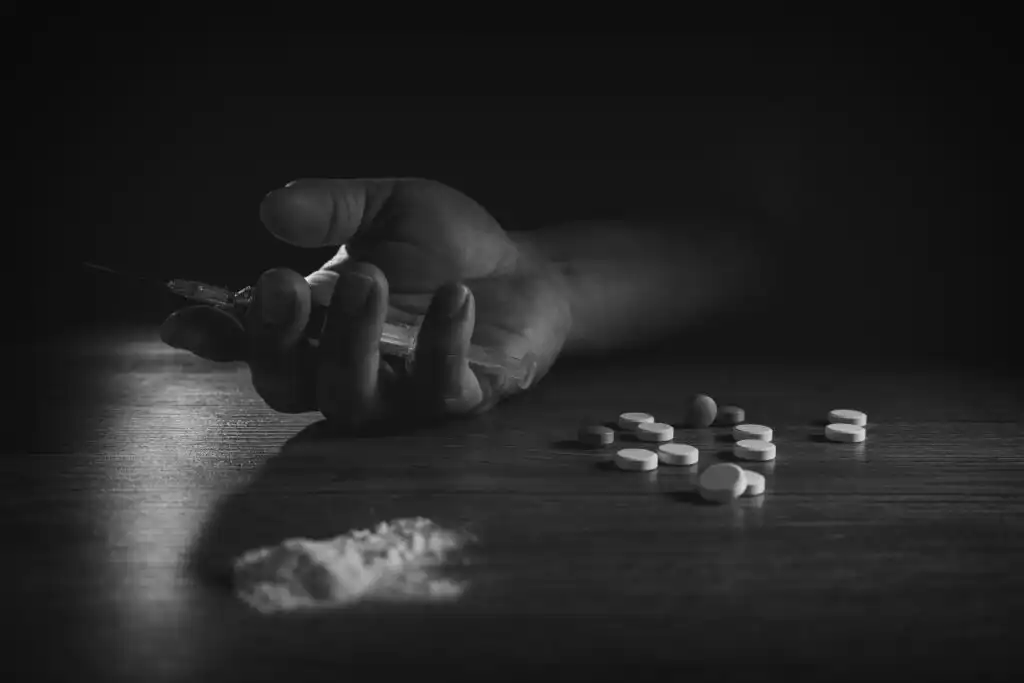
Speedballing—combining opioids with cocaine—creates a dangerous push-pull effect on your system. Meanwhile, cocaine’s stimulant properties mask opioid-induced sedation, allowing you to consume potentially fatal opioid doses without immediate awareness. Subsequently, when cocaine’s shorter half-life wears off, the full opioid effects emerge suddenly, often causing respiratory arrest. Additionally, this combination places extraordinary stress on your cardiovascular system [4].
Opioids and Benzodiazepines
This combination ranks among the deadliest in polysubstance abuse patterns. Both classes depress respiratory function, and together they can stop breathing entirely. Furthermore, benzodiazepines impair the judgment needed to assess opioid dosage safely. Consequently, accidental overdoses occur frequently with this combination, even among experienced users.

Prescription and Illicit Drugs
Mixing prescription medications with illicit substances creates particularly unpredictable scenarios. Essentially, pharmaceutical drugs have calculated dosages for specific effects, but these calculations become meaningless when combined with street drugs of unknown purity. Therefore, you might inadvertently consume dangerous amounts without realizing it. Additionally, prescription drug interactions with illicit substances often produce severe side effects that neither substance would cause alone.
How Detox Works in Cases of Polysubstance Misuse
Medical detoxification becomes considerably more complex with polysubstance abuse. Initially, healthcare providers must identify all substances in your system, which requires comprehensive testing and honest disclosure. Subsequently, they develop protocols addressing multiple withdrawal syndromes simultaneously. This process demands constant monitoring because withdrawal from one substance can unmask or intensify symptoms from another.
Medication-assisted treatment plays a crucial role in managing polysubstance withdrawal safely. Specifically, certain medications can ease symptoms while preventing dangerous complications like seizures or delirium tremens. However, prescribing these medications requires careful consideration of potential interactions with residual substances in your system. Therefore, medical supervision throughout detox isn’t merely recommended—it’s essential for safety.
The timeline for polysubstance detox varies considerably based on which substances you’ve been using. Generally, acute withdrawal symptoms peak within the first week, though some symptoms persist for weeks or months. Moreover, psychological symptoms often outlast physical ones, requiring ongoing support throughout early recovery.
Comprehensive Treatment for Polysubstance Misuse at Cliffside Recovery
Recovery from polysubstance abuse requires more than simple detoxification—it demands comprehensive polysubstance treatment addressing the underlying patterns driving substance use. At Cliffside Recovery, we understand that polysubstance dependence stems from complex biological, psychological, and social factors. Consequently, our approach integrates multiple evidence-based therapies tailored to your specific combination of substances and circumstances.
Our residential treatment program provides the intensive support necessary for healing from polysubstance abuse. Specifically, we offer individual therapy, group counseling, family therapy, and holistic wellness activities that address every dimension of recovery. Additionally, our medical team specializes in managing the unique challenges of polysubstance withdrawal and early sobriety. We also provide dual diagnosis treatment, recognizing that mental health conditions frequently coexist with substance use disorders.
The journey toward recovery begins with a single decision. If you’re struggling with polysubstance abuse, contact us today to learn how our compassionate, experienced team can help you reclaim your life. Recovery isn’t just possible—with proper support, it’s probable.
FAQs – Frequently Asked Questions
What exactly qualifies as polysubstance abuse?
Polysubstance abuse involves using two or more substances—whether drugs, alcohol, or medications—within the same time period in ways that cause significant problems in your life. This pattern includes both simultaneous use and using different substances sequentially within a short timeframe.
Can someone overdose from polysubstance abuse even with small amounts of each drug?
Absolutely. The interaction between substances creates effects far exceeding what each drug would produce individually. Even moderate amounts of two depressants, for instance, can cause fatal respiratory depression when combined.
How long does treatment for polysubstance abuse typically last?
Treatment duration varies based on individual circumstances, but most experts recommend at least 90 days of intensive treatment followed by ongoing aftercare. The complexity of polysubstance dependence often requires longer treatment periods than single-substance addiction.
Is polysubstance abuse more dangerous than using one drug heavily?
Yes, significantly. The unpredictable interactions between substances, compounded withdrawal symptoms, and increased overdose risk make polysubstance abuse substantially more dangerous than single-substance use, even when that single substance is used heavily.
What makes polysubstance abuse so difficult to treat?
Multiple factors complicate treatment: overlapping withdrawal timelines, complex medication management, varied psychological dependencies on different substances, and the need to address why someone turned to multiple substances rather than one. This complexity requires specialized, comprehensive treatment approaches.
Sources
[1] Centers for Disease Control and Prevention. (2024). Polysubstance Use. – https://www.cdc.gov/stop-overdose/caring/polysubstance-use.html
[2] Agency for Healthcare Research and Quality. (2023). Polysubstance Use Topic Brief. – https://integrationacademy.ahrq.gov/products/topic-briefs/polysubstance-use
[3] Ciccarone, D. (2021). The rise of illicit fentanyls, stimulants and the fourth wave of the opioid overdose crisis. Current Opinion in Psychiatry, 34(4), 344-350. – https://pmc.ncbi.nlm.nih.gov/articles/PMC7815508/[4] Fine, A. H. (1990). Polysubstance abuse: A case study. National Criminal Justice Reference Service. – https://www.ojp.gov/ncjrs/virtual-library/abstracts/polysubstance-abuse-case-study