

Introduction
The decision to seek help for substance abuse stands as one of life’s most courageous choices. For many individuals wrestling with addiction, inpatient detox represents the essential first step toward reclaiming their lives. It’s a process that transforms the daunting challenge of withdrawal into a medically supervised journey toward freedom. Understanding what happens during inpatient detox can ease anxieties and illuminate the path ahead, making this critical transition feel less overwhelming and more achievable.
Why Inpatient Detox?
When addiction tightens its grip, the body becomes chemically dependent on substances to function. Consequently, inpatient detox offers a sanctuary where medical professionals monitor your withdrawal process around the clock. Unlike attempting detoxification alone, this structured environment provides immediate intervention when complications arise. Moreover, the comprehensive support system addresses both physical symptoms and psychological challenges simultaneously.
At Cliffside Recovery, we recognize that each person’s journey through addiction differs dramatically. Therefore, our inpatient detox programs deliver personalized care tailored to individual needs. The controlled setting eliminates access to substances while surrounding you with compassionate experts. Additionally, this dedicated focus creates optimal conditions for successful detoxification and long-term recovery.

Inpatient vs. Outpatient Detox
Choosing between inpatient and outpatient detox depends on several critical factors. Notably, inpatient detox provides 24/7 medical supervision in a residential facility, whereas outpatient detox allows treatment while living at home. The severity of your addiction, substance type, and medical history all influence this decision significantly.
Inpatient medical detox proves particularly essential for those with severe dependencies or co-occurring mental health conditions. Furthermore, individuals withdrawing from alcohol, benzodiazepines, or opioids face potentially life-threatening complications requiring constant medical oversight [1]. Research demonstrates that medically supervised detoxification significantly improves outcomes compared to unsupervised attempts [1]. Subsequently, inpatient detox creates the foundation necessary for transitioning into comprehensive addiction treatment programs.
What Happens During Inpatient Detox?
The inpatient detox process unfolds through several carefully orchestrated phases designed to maximize safety and comfort.
Medical Assessment
Upon arrival at a detox facility, clinical professionals conduct thorough medical evaluations. This comprehensive assessment examines your substance use history, physical health, mental health status, and any co-occurring conditions. Blood tests, vital sign monitoring, and psychological screenings create a complete picture of your needs. Subsequently, this information guides the development of your personalized treatment plan.
The medical team reviews current medications and identifies potential complications. Understanding what happens during detoxification begins with this crucial assessment phase. This detailed evaluation ensures appropriate care levels throughout your stay at our detox center.

Withdrawal
As substances leave your system, withdrawal symptoms emerge—often within hours of your last use. The withdrawal experience varies dramatically depending on the substance, duration of use, and individual physiology. Alcohol withdrawal may produce tremors, anxiety, nausea, and in severe cases, seizures or delirium tremens. Opioid withdrawal brings intense flu-like symptoms and profound discomfort.
However, the controlled environment of inpatient detox transforms this challenging phase. Medical staff monitor vital signs continuously and adjust interventions as symptoms evolve. The process typically intensifies during the first 72 hours before gradually subsiding. Research indicates that medically supervised withdrawal management significantly reduces risks and discomfort [2].
Medication
Modern inpatient detox leverages evidence-based medications to ease withdrawal symptoms and prevent complications. For alcohol withdrawal, benzodiazepines prevent seizures and reduce anxiety. Opioid detox may incorporate buprenorphine or methadone to alleviate cravings. Medical detox protocols follow strict guidelines established by addiction medicine specialists [1].
The medications administered during inpatient detox address specific withdrawal symptoms while minimizing risks. Additionally, non-narcotic medications manage nausea, insomnia, and other physical discomforts. The treatment team carefully balances medication dosages to provide relief without creating new dependencies.
Round-the-Clock Support
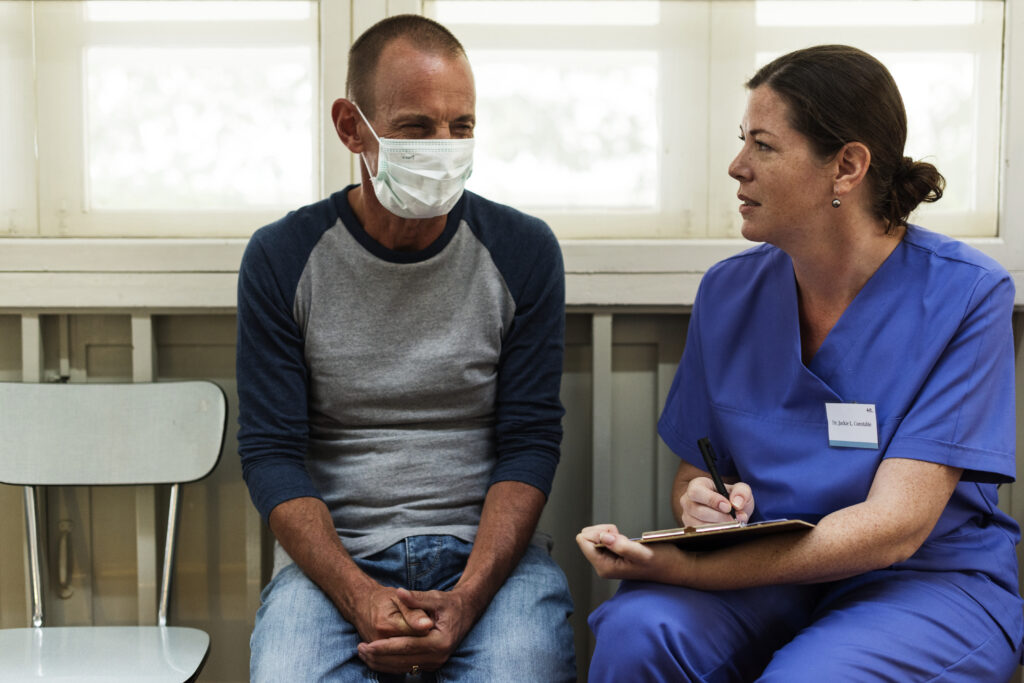
Perhaps the most valuable aspect of inpatient detox lies in continuous professional support. Nurses, physicians, and counselors remain available 24/7 to address your needs immediately. This constant presence provides reassurance during vulnerable moments and ensures rapid response to emergencies.
Beyond medical monitoring, the support extends to emotional and psychological dimensions. Counselors help process feelings that emerge during detoxification. At Cliffside Recovery, our staff integrates therapeutic interventions throughout the detox process, preparing you for the next phases of treatment and recovery.
How Long Does Inpatient Detox Take?
The duration of inpatient detox varies based on multiple factors. Typically, the process spans 5 to 10 days, though some individuals require extended stays. The substance involved significantly influences timeline—alcohol and benzodiazepine detox often takes longer than stimulant withdrawal. Your usage patterns, overall health, and presence of complications all affect duration.
How long detox takes depends largely on your body’s unique response to treatment. The treatment team continually assesses your progress and adjusts the timeline accordingly. Understanding that detox represents a process rather than a single event helps set realistic expectations. Consequently, our inpatient detox programs prioritize thorough stabilization over arbitrary timelines.
The Dangers of Detoxing Without Medical Supervision
Attempting to detox alone poses serious—sometimes fatal—risks. Certain withdrawal syndromes create life-threatening medical emergencies without warning. Alcohol withdrawal can trigger seizures, cardiac arrhythmias, and delirium tremens, which carries a mortality rate of 5-15% without treatment [1]. Benzodiazepine withdrawal presents similarly dangerous complications.
Moreover, the psychological distress of unsupervised withdrawal often proves overwhelming. Many individuals relapse during home detox attempts, sometimes overdosing due to reduced tolerance. Research consistently demonstrates superior outcomes for medically supervised detox compared to self-directed efforts [2]. The structured environment of a detox facility eliminates access to substances during vulnerable moments, providing the safeguarding necessary for safe substance cessation.
After Detox: Next Steps in the Journey to Recovery
Completing inpatient detox marks a significant achievement, but recovery extends far beyond detoxification. Therefore, transitioning into comprehensive treatment becomes crucial for maintaining sobriety.
At Cliffside Recovery, we offer multiple levels of care following detox. Our partial hospitalization program provides intensive treatment while allowing increased independence. For those requiring slightly less structure, our intensive outpatient program delivers evidence-based therapies several days weekly. Additionally, standard outpatient treatment offers ongoing support as you rebuild your life.
The continuum of care addresses underlying issues driving addiction. Individual therapy, group counseling, and family sessions explore root causes and develop coping strategies. Furthermore, our aftercare services ensure ongoing support as you navigate early sobriety. Many individuals benefit from transitioning to sober living environments, and Cliffside Recovery can connect you with quality facilities near our Englewood, New Jersey location.
Building a strong recovery foundation requires addressing co-occurring mental health conditions. Our dual diagnosis treatment programs simultaneously target addiction and conditions like depression, anxiety, or PTSD.
Frequently Asked Questions About Inpatient Detox
What is a detox center, and how does it work?
A detox center provides medically supervised withdrawal management in a controlled environment. These facilities employ addiction medicine specialists who monitor patients continuously throughout the detoxification process. Medical interventions address withdrawal symptoms while preventing complications. Essentially, detox centers bridge the gap between active addiction and comprehensive addiction treatment.
How does the inpatient detox process differ from detox in rehab?
Inpatient detox focuses specifically on medical stabilization and withdrawal management. In contrast, rehab encompasses broader addiction treatment including therapy and behavioral interventions. Many people complete inpatient detox before transitioning into residential rehab programs. The detox phase addresses physical dependence, while rehab tackles psychological aspects of addiction.
What should I expect regarding withdrawal symptoms during inpatient detox?
Withdrawal symptoms vary depending on the substance and individual factors. Common experiences include anxiety, nausea, muscle aches, sweating, and insomnia. Medical staff continuously monitor your condition and provide medications to minimize discomfort. Most withdrawal symptoms peak within the first few days before gradually subsiding.
Can I receive treatment for co-occurring mental health conditions during inpatient detox?
Absolutely. Many inpatient detox facilities screen for and address co-occurring mental health disorders. Conditions like depression, anxiety, PTSD, and bipolar disorder frequently accompany substance use disorders. Treating both simultaneously improves overall outcomes significantly. This integrated approach establishes a stronger foundation for long-term recovery.
What happens after completing inpatient detox programs?
Following inpatient detox, most individuals transition into comprehensive addiction treatment. Options include residential rehab, partial hospitalization, or intensive outpatient programs. The treatment team develops a continuing care plan tailored to your needs. Ongoing therapy addresses underlying issues and develops relapse prevention skills.
Conclusion
Navigating the path toward recovery begins with taking that first courageous step into inpatient detox. This medically supervised process provides the safety, support, and professional expertise necessary to overcome physical dependence on substances. Through comprehensive assessment, evidence-based medication protocols, and round-the-clock care, inpatient detox transforms the challenge of withdrawal into a manageable experience.
At Cliffside Recovery, we’ve witnessed countless individuals reclaim their lives through our compassionate, expert-guided detox programs. Our Englewood, New Jersey facility combines cutting-edge medical care with the warmth and understanding you deserve during this vulnerable time. Whether you’re struggling with alcohol addiction, opioid dependence, benzodiazepine abuse, or other substances, our specialized inpatient detox services provide the foundation for transformation. The decision to seek help demonstrates remarkable strength—now let us provide the professional support necessary to turn that decision into lasting recovery. Contact us today to begin your path toward freedom from addiction.
Sources
[1] National Institute on Drug Abuse. (2006). Principles of Drug Abuse Treatment for Criminal Justice Populations: A Research-Based Guide. In National Library of Medicine. https://www.ncbi.nlm.nih.gov/books/NBK64119/
[2] Kattimani, S., & Bharadwaj, B. (2013). Clinical management of alcohol withdrawal: A systematic review. Industrial Psychiatry Journal, 22(2), 100-108. https://pmc.ncbi.nlm.nih.gov/articles/PMC6761814/