
Introduction
When your emotions feel like they’re running the show—swinging from euphoric highs to devastating lows—you might be experiencing something far more complex than ordinary stress. Mood disorders affect millions of Americans, yet they remain widely misunderstood. Understanding the different types of mood disorders isn’t just about putting a label on what you’re feeling; it’s about recognizing that what you’re experiencing is real, treatable, and something you don’t have to face alone.
What Causes Mood Disorders?
The origins of mood disorders are remarkably intricate, much like the elegant mechanisms of a Swiss watch. Consequently, mental health professionals have identified several contributing factors that can trigger these conditions. [1] Your brain chemistry plays a starring role in this complex narrative, specifically the balance of neurotransmitters like serotonin and dopamine.
Genetics also enters the conversation. Research indicates that if someone in your family has experienced a mood disorder, you’re more likely to develop one yourself. [2] However, heredity doesn’t seal your fate—it simply increases vulnerability. Furthermore, traumatic life experiences, chronic stress, and significant loss can act as catalysts, disrupting the delicate equilibrium of your emotional landscape. [1]
Environmental factors contribute significantly as well. Substance abuse, certain medications, and chronic medical conditions can all influence mood regulation. [3] Additionally, hormonal changes—particularly those experienced during pregnancy, postpartum, or menopause—can trigger mood disturbances that evolve into diagnosable conditions.
Different Types of Mood Disorders
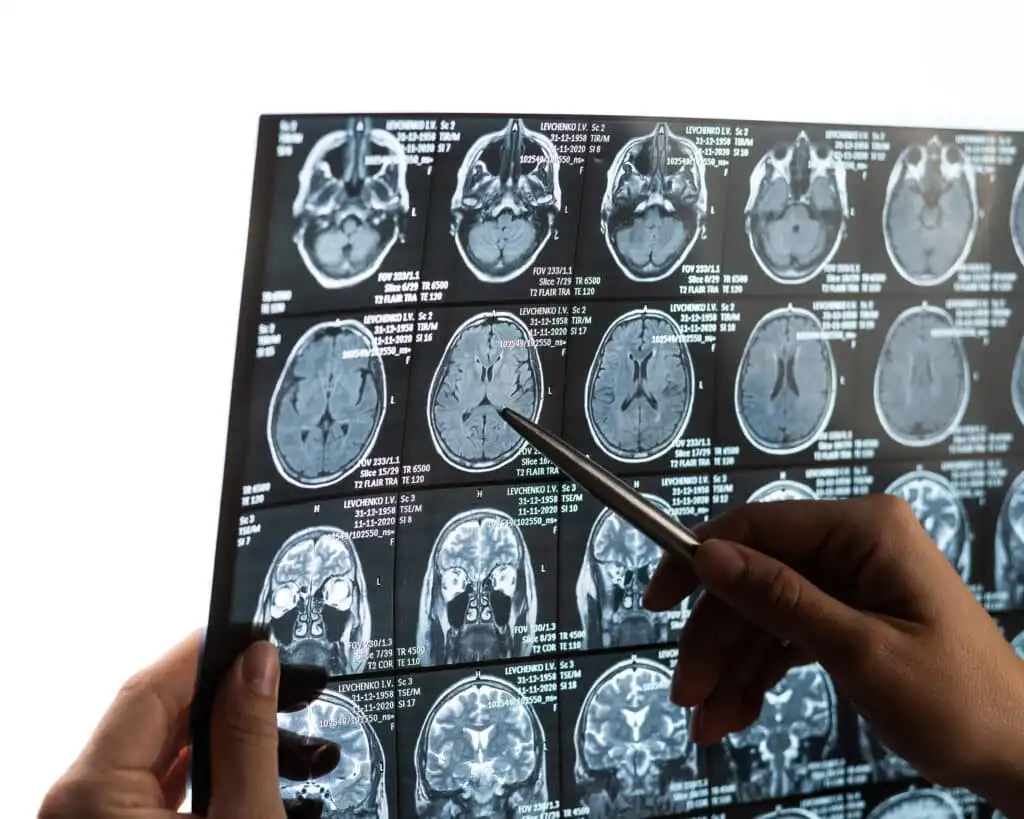
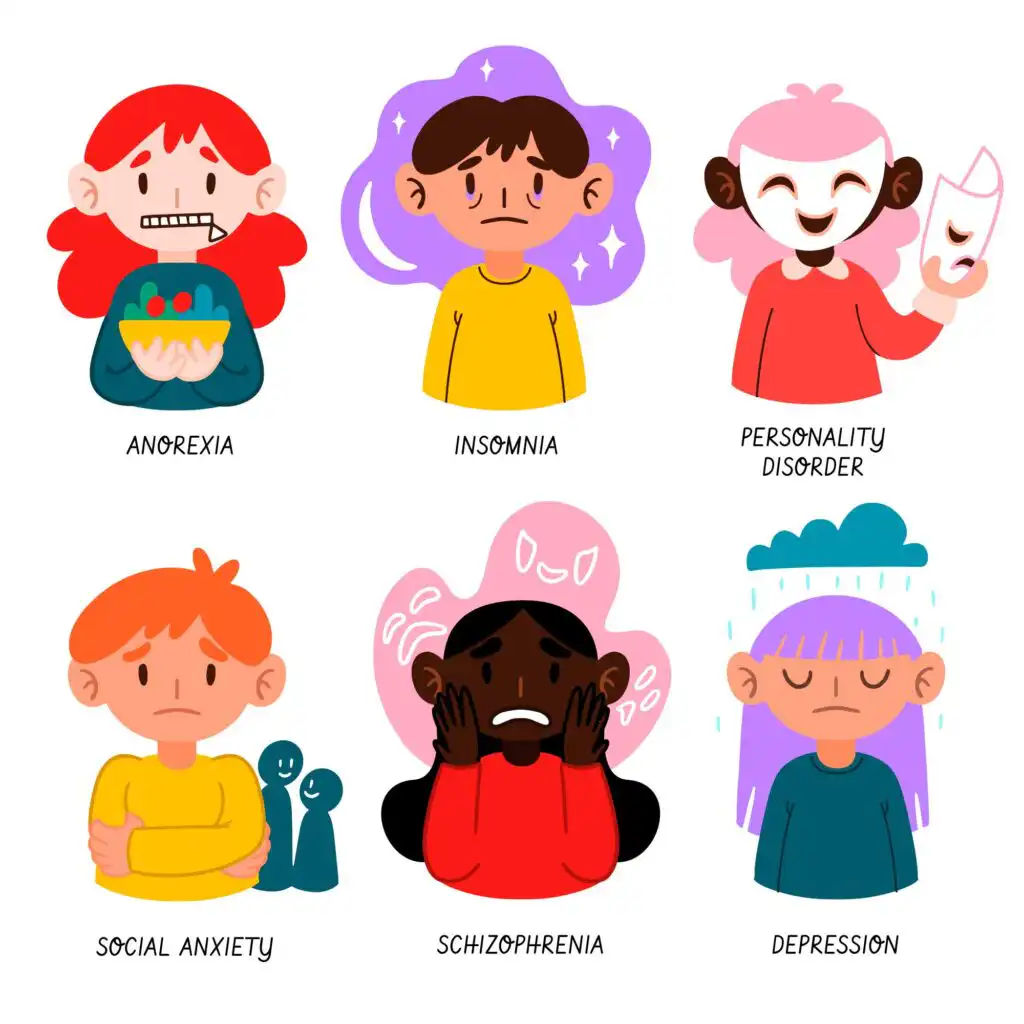
The landscape of mood disorders is surprisingly diverse. Understanding the various types of mood disorders helps illuminate the specific challenges you might be facing. Let’s explore the most common examples of mood disorders that affect individuals seeking treatment.
Major Depressive Disorder
Major depressive disorder represents one of the most prevalent types of mood disorders in America. [2] Unlike temporary sadness, this condition involves persistent feelings of hopelessness that interfere with daily functioning. Individuals experience profound loss of interest in activities they once cherished. Sleep disturbances, appetite changes, and difficulty concentrating become constant companions.
Bipolar Disorder
Bipolar disorder showcases the dramatic spectrum of mood extremes. This condition involves alternating periods of depression and mania or hypomania. [1] During manic episodes, you might feel invincible, require minimal sleep, and engage in impulsive behaviors. Conversely, depressive episodes mirror major depression symptoms. There are several subtypes, including Bipolar I and Bipolar II, each presenting unique challenges.
Persistent Depressive Disorder (Dysthymia)
Think of persistent depressive disorder as depression’s quieter cousin. This type of mood disorder involves chronic low-grade depression lasting at least two years. [4] While symptoms may seem less severe than major depression, their persistence can be equally debilitating. Many individuals describe it as a perpetual gray cloud that never quite lifts.
Cyclothymic Disorder
Cyclothymic disorder represents a milder form of bipolar disorder. Nevertheless, it involves noticeable mood swings between hypomania and mild depression. [1] These fluctuations might not meet the full criteria for bipolar disorder, yet they significantly impact quality of life.
Premenstrual Dysphoric Disorder (PMDD)
PMDD goes far beyond typical premenstrual syndrome. This condition involves severe mood symptoms—including depression, irritability, and anxiety—that emerge during the luteal phase of the menstrual cycle. [4] The symptoms substantially interfere with work, relationships, and daily activities.
New Mood Disorders
The field of psychology continues evolving, with the DSM-5 recognizing additional types of mood disorders. Disruptive mood dysregulation disorder primarily affects children and adolescents, characterized by severe temper outbursts and persistent irritability. [1] This relatively new diagnosis helps clinicians better understand and treat childhood mood issues.
Another notable addition is unspecified mood disorder, which captures mood disturbances that don’t fit neatly into established categories. [4] This diagnosis acknowledges that mood disorders exist on a spectrum, and not everyone’s experience aligns perfectly with textbook definitions. Similarly, episodic mood disorder describes mood fluctuations that occur in distinct episodes but may not meet full criteria for other diagnoses.
Symptoms of Mood Disorders
Recognizing mood disorder symptoms requires attention to patterns rather than isolated incidents. Depression-related symptoms often include persistent sadness, fatigue, changes in appetite, sleep disturbances, difficulty concentrating, and thoughts of self-harm. [2] Physical symptoms frequently accompany emotional ones—unexplained aches, digestive issues, and headaches are common.
Manic symptoms present differently. You might experience elevated mood, increased energy, racing thoughts, decreased need for sleep, and engaging in risky behaviors. [1] Irritability and agitation often accompany these energized states. Mixed episodes, where depression and mania occur simultaneously, create particularly challenging experiences.
Meanwhile, anxiety symptoms frequently coexist with mood disorders. [5] Many people wonder, “Is anxiety a mood disorder?” While anxiety disorders are technically separate, they commonly occur alongside mood disorders, creating what clinicians call co-occurring conditions. This overlap explains why comprehensive mental health treatment addresses multiple symptoms simultaneously.
Diagnosing Mood Disorders
Diagnosing mood disorders involves comprehensive evaluation by mental health professionals. Your clinician will conduct detailed interviews about your symptoms, family history, and life circumstances. The DSM-5 provides standardized criteria that help ensure accurate diagnosis across different types of mood disorders. [1]
Medical evaluations often accompany psychological assessments. Blood tests can rule out thyroid problems or other medical conditions that mimic mood disorder symptoms. [2] Your doctor might review medications you’re taking, as certain drugs can trigger mood disturbances.
Diagnostic questionnaires and mood tracking tools provide valuable information. Keeping a mood diary helps identify patterns and triggers that might not be immediately apparent. Furthermore, input from family members can offer additional perspective on behavioral changes you might not recognize yourself.
The distinction between mood disorder types matters because treatment approaches vary. For instance, medications effective for major depression may trigger manic episodes in someone with bipolar disorder. Consequently, accurate diagnosis forms the foundation of successful treatment.
Treatment for Mood Disorders
Treatment for mood disorders has advanced dramatically over recent decades. At Cliffside Recovery, we recognize that effective treatment requires personalized approaches addressing your unique circumstances. The most successful outcomes typically combine multiple therapeutic modalities. [6]
Therapy
Psychotherapy forms the cornerstone of mood disorder treatment. Cognitive Behavioral Therapy (CBT) helps identify and modify negative thought patterns that perpetuate mood symptoms. [4] This approach teaches practical skills for managing difficult emotions and challenging distorted thinking.
Dialectical Behavior Therapy (DBT) proves particularly effective for intense emotional fluctuations. This therapy teaches mindfulness, distress tolerance, emotion regulation, and interpersonal effectiveness. [1] Additionally, interpersonal therapy focuses on improving relationships and communication patterns that influence mood.
Group therapy offers unique benefits through shared experiences. Connecting with others facing similar challenges reduces isolation and provides mutual support. [6] Family therapy addresses relationship dynamics that may contribute to or be affected by mood disorders.
Medication
Medication management plays a crucial role in treating many types of mood disorders. Antidepressants help regulate neurotransmitter levels associated with depression. [2] Different classes—including SSRIs, SNRIs, and others—work through various mechanisms.
Mood stabilizers prove essential for bipolar disorder and related conditions. These medications help prevent both manic and depressive episodes. [1] Antipsychotic medications sometimes supplement treatment, particularly when psychotic features are present.
Finding the right medication often requires patience and adjustment. Your prescriber will monitor your response and make necessary changes. Never discontinue psychiatric medications without medical supervision, as abrupt cessation can trigger serious withdrawal symptoms.

Find Treatment for Mood Disorders with Cliffside Recovery
At Cliffside Recovery, we specialize in comprehensive treatment for all types of mood disorders. Our New Jersey facility offers multiple levels of care, including Partial Hospitalization Program (PHP), Intensive Outpatient Program (IOP), and standard outpatient services. [6] This flexibility allows us to match treatment intensity to your specific needs.
Our dual-diagnosis approach addresses co-occurring substance use disorders alongside mood conditions. We understand that many individuals struggling with mood disorders turn to alcohol or drugs seeking relief. [3] Treating both conditions simultaneously produces superior outcomes compared to addressing them separately.
Evidence-based therapies form the foundation of our programming. Our experienced clinicians utilize CBT, DBT, group therapy, and medication management to create comprehensive treatment plans. Additionally, our supportive housing options provide safe, structured environments that promote healing and recovery.
We work with most major insurance providers to make treatment accessible and affordable. Our admissions team can verify your benefits and explain your coverage options. Same-day admissions are available when you’re ready to begin your recovery journey.
Frequently Asked Questions About Mood Disorders
What are the 5 mood disorders?
The five most common types of mood disorders include major depressive disorder, bipolar disorder, persistent depressive disorder (dysthymia), cyclothymic disorder, and premenstrual dysphoric disorder. However, the complete list of mood disorders extends beyond these five, encompassing various other conditions recognized in the DSM-5.
How many mood disorders are there?
The DSM-5 recognizes numerous mood disorders and their subtypes. While the exact count depends on how conditions are classified, mental health professionals identify over a dozen distinct mood disorder types and their variations. This number continues evolving as research advances our understanding.
What is unspecified mood disorder?
Unspecified mood disorder describes mood disturbances that cause significant distress but don’t meet full criteria for specific mood disorder diagnoses. This category acknowledges that mood issues exist on a spectrum and ensures individuals receive appropriate treatment even when symptoms don’t fit neatly into established categories.
Is anxiety a mood disorder?
No, anxiety disorders are classified separately from mood disorders in the DSM-5. However, anxiety frequently co-occurs with mood disorders, creating complex presentations that require comprehensive treatment. Many mood disorders include anxiety symptoms, which is why integrated treatment approaches prove most effective.
What is the difference between mood disorders and personality disorders?
Mood disorders involve temporary or episodic changes in emotional state, whereas personality disorders represent enduring patterns of thinking, feeling, and behaving. Mood disorders typically respond well to medication and therapy, while personality disorders require longer-term therapeutic interventions. Both can co-occur, requiring specialized treatment approaches.
Begin Your Journey Toward Emotional Wellness
Understanding the different types of mood disorders represents the first step toward reclaiming your life. Whether you’re experiencing persistent depression, dramatic mood swings, or any other mood-related challenges, effective treatment is available. These conditions are medical illnesses—not character flaws or signs of weakness.
At Cliffside Recovery, we’ve witnessed countless individuals transform their lives through comprehensive mood disorder treatment. Our compassionate team understands the courage it takes to seek help. We’re committed to providing judgment-free care that addresses your unique needs and circumstances.
Living with a mood disorder doesn’t have to define your story. With proper diagnosis, evidence-based treatment, and ongoing support, recovery is entirely possible. Don’t let another day pass struggling alone with overwhelming emotions. Contact us today to learn how our treatment programs can help you build the stable, fulfilling life you deserve.
References
[1] National Center for Biotechnology Information. (2025). Mood Disorders. – https://www.ncbi.nlm.nih.gov/books/NBK558911/
[2] MedlinePlus. (2025). Mood Disorders. – https://medlineplus.gov/mooddisorders.html
[3] National Institute of Mental Health. (2025). Any Mood Disorder Statistics. – https://www.nimh.nih.gov/health/statistics/any-mood-disorder
[4] Mental Health America. (2025). Mood Disorders. – https://mhanational.org/conditions/mood-disorders/
[5] Office of Disease Prevention and Health Promotion. (2025). Mental Health and Mental Disorders Objectives. – https://odphp.health.gov/healthypeople/objectives-and-data/browse-objectives/mental-health-and-mental-disorders
[6] Centers for Disease Control and Prevention. (2025). Depression and Anxiety. – https://www.cdc.gov/tobacco/campaign/tips/diseases/depression-anxiety.html