Introduction
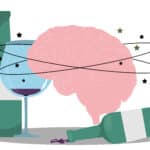
Anxiety strikes without warning, leaving your heart racing and mind spiraling. Yet, what many don’t realize is that the very substances promised to provide relief or escape might be the culprits behind these overwhelming feelings. Indeed, the question arises: can drugs cause anxiety? The answer is unequivocally yes. Moreover, understanding the connection between substance use and anxiety disorders is crucial for anyone seeking genuine recovery and mental wellness.

What Is Drug-Induced Anxiety Disorder?
Drug-induced anxiety disorder represents a specific condition where anxiety symptoms directly result from substance use or withdrawal. Consequently, this diagnosis differs from traditional anxiety disorders because the substance itself triggers the symptoms. Furthermore, healthcare professionals recognize this as substance-induced anxiety disorder in clinical settings.
This condition manifests when chemical alterations in the brain occur due to drug consumption. Similarly, certain medications can also trigger these responses, leading to what’s termed medication induced anxiety disorder. Therefore, understanding whether can drugs cause anxiety becomes essential for proper diagnosis and treatment.
The National Institute of Mental Health identifies anxiety disorders as the most common mental illness in America [1]. However, when substances complicate the picture, distinguishing between primary anxiety and drug induced anxiety becomes challenging. Nevertheless, proper assessment reveals the true source of symptoms.
What Causes Drug-Induced Anxiety Disorder?
Multiple factors contribute to why can drugs cause anxiety in susceptible individuals. Primarily, substances alter neurotransmitter function in the brain. Additionally, different drug classes produce varying anxiety responses.
Stimulants represent common culprits in stimulant induced anxiety cases. For instance, cocaine and amphetamines overstimulate the nervous system. Consequently, users experience heightened alertness that morphs into overwhelming anxiety. Moreover, even prescribed stimulants can trigger these responses when misused.
Alcohol withdrawal frequently produces severe anxiety symptoms. Initially, alcohol may seem calming. However, chronic use disrupts brain chemistry significantly. Subsequently, when drinking stops, intense anxiety emerges as the brain struggles to rebalance.
Cannabis, despite its reputation for relaxation, can trigger anxiety in certain users. Particularly, high-THC strains or excessive consumption may provoke panic-like symptoms. Therefore, the question can drugs cause anxiety extends even to substances many consider benign.
Research published in the Journal of Clinical Psychiatry demonstrates clear links between substance use and anxiety development [2]. Specifically, prolonged drug exposure alters stress response systems. Thus, the brain becomes hyperreactive to perceived threats.
Common Symptoms of Drug-Induced Anxiety Disorder
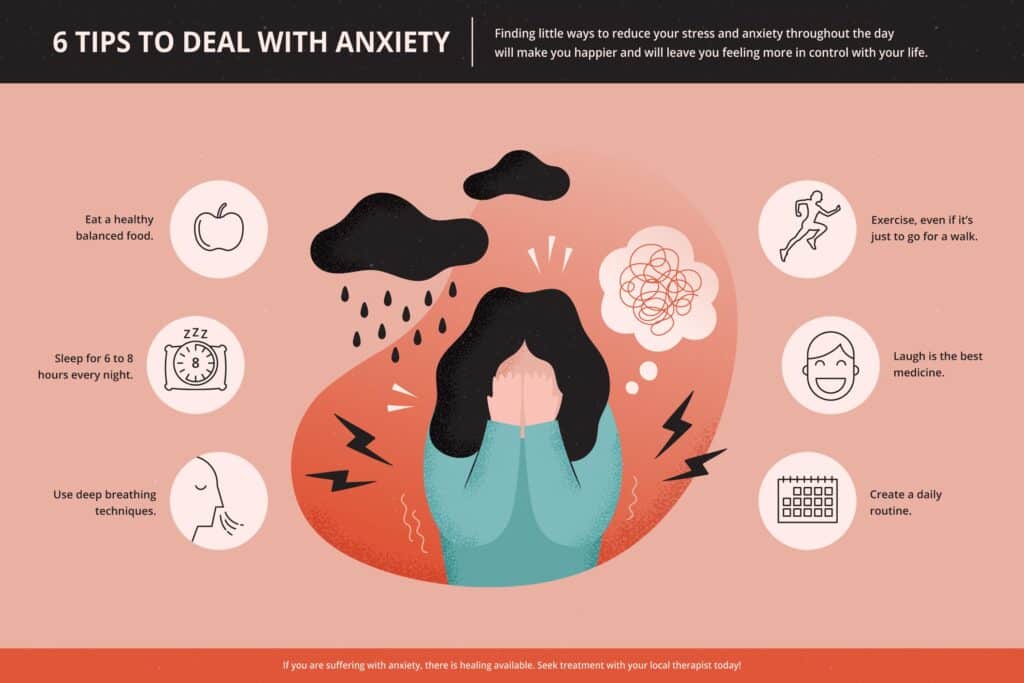
Recognizing drug-induced anxiety symptoms remains critical for early intervention. Primarily, these symptoms mirror those of traditional anxiety disorders. However, their onset correlates directly with substance use patterns.
Physical manifestations include:
- Rapid heartbeat and palpitations
- Excessive sweating and trembling
- Shortness of breath or chest tightness
- Dizziness and nausea
Psychological symptoms encompass:
- Persistent worry and racing thoughts
- Overwhelming fear or panic
- Difficulty concentrating
- Irritability and restlessness
Particularly concerning are drug induced panic attack episodes. These intense experiences create feelings of impending doom. Additionally, they often occur unexpectedly, leaving individuals feeling powerless.
Sleep disturbances frequently accompany substance induced anxiety. Consequently, insomnia exacerbates anxiety symptoms, creating a vicious cycle. Furthermore, nightmares and night sweats commonly plague those experiencing withdrawal-related anxiety.
Can drugs cause anxiety severe enough to disrupt daily functioning? Absolutely. Moreover, these symptoms can persist even after substance use ceases. Therefore, professional intervention becomes necessary for effective management.
Getting a Diagnosis for Drug-Induced Anxiety Disorder
Accurate diagnosis requires comprehensive evaluation by qualified healthcare professionals. Initially, clinicians conduct detailed substance use assessments. Subsequently, they examine symptom timelines to establish causation.
The diagnostic process involves several key steps. First, medical professionals review complete drug and medication histories. Then, they assess whether anxiety symptoms began after substance use started. Additionally, they evaluate if symptoms worsen during intoxication or withdrawal.
Differential diagnosis proves particularly important in these cases. Specifically, clinicians must determine whether can drugs cause anxiety in this individual, or if a co-occurring anxiety disorder exists independently. Furthermore, some individuals experience both conditions simultaneously, complicating treatment planning.
Laboratory tests may reveal substance levels in the system. Moreover, psychological assessments measure anxiety severity. Therefore, comprehensive evaluation ensures accurate diagnosis and appropriate treatment recommendations.
Timing plays a crucial role in diagnosis. Generally, substance/medication-induced anxiety disorder symptoms emerge within one month of substance use or withdrawal. Consequently, this temporal relationship helps confirm the diagnosis.

Treatment for Drug-Induced Anxiety Disorder
Effective treatment addresses both substance use and anxiety symptoms simultaneously. Primarily, medical detoxification provides safe withdrawal management. Additionally, this supervised process minimizes complications and ensures patient safety.
Medication-assisted treatment (MAT) helps manage withdrawal symptoms and cravings. Consequently, specific medications reduce anxiety during the recovery process. However, healthcare providers carefully select non-addictive options to avoid substituting one problem for another.
Cognitive-behavioral therapy (CBT) represents a cornerstone of anxiety treatment. Specifically, CBT helps individuals identify thought patterns triggering anxiety. Moreover, it provides practical tools for managing symptoms without substances.
Group therapy offers peer support and shared experiences. Therefore, individuals realize they’re not alone in questioning can drugs cause anxiety. Additionally, group settings provide accountability and encouragement throughout recovery.
Holistic approaches complement traditional therapies effectively. For instance, mindfulness practices reduce stress and promote emotional regulation. Similarly, exercise naturally boosts mood-regulating neurotransmitters. Furthermore, nutritional support aids brain healing after substance use.
Living With a Drug-Induced Anxiety Disorder
Recovery extends beyond initial treatment completion. Rather, managing substance induced anxiety disorder requires ongoing commitment and support. Consequently, developing healthy coping mechanisms becomes essential.
Establishing routine provides structure and stability. Additionally, consistent sleep schedules support anxiety management. Therefore, prioritizing self-care practices strengthens recovery foundations.
Trigger identification helps prevent relapse. Specifically, recognizing situations that increase anxiety or substance cravings allows proactive planning. Moreover, developing alternative responses to stress protects sobriety.
Many wonder, does drug-induced anxiety go away completely? Generally, symptoms improve significantly with sustained sobriety. However, some individuals experience lingering anxiety requiring ongoing management. Nevertheless, appropriate treatment dramatically improves quality of life.
Building a strong support network proves invaluable. Family involvement, peer support groups, and continued therapy all contribute to long-term success. Furthermore, these connections provide encouragement during challenging moments.

Treatment for Drug-Induced Anxiety Disorder at Cliffside Recovery
Cliffside Recovery specializes in comprehensive treatment for individuals experiencing drug induced anxiety and co-occurring disorders. Our evidence-based approach addresses both substance use and mental health concerns simultaneously.
Our experienced clinical team understands the complex relationship between addiction and anxiety. Therefore, we develop personalized treatment plans targeting each individual’s unique needs. Additionally, our serene environment promotes healing and reflection.
We offer multiple therapy modalities, medical supervision, and holistic wellness programs. Consequently, clients receive comprehensive support throughout their recovery journey. Moreover, our aftercare planning ensures continued success beyond initial treatment.
Understanding can drugs cause anxiety represents the first step toward recovery. Subsequently, seeking professional help demonstrates courage and commitment to wellness. Therefore, don’t let drug-induced anxiety control your life any longer.
Ready to reclaim your peace of mind? Contact us today to learn how our specialized programs can help you overcome drug induced anxiety disorder and build a foundation for lasting recovery.
Frequently Asked Questions
1. Can drugs cause anxiety even after stopping use?
Yes, anxiety symptoms can persist after discontinuing substance use. The brain requires time to restore normal neurotransmitter function. However, symptoms typically improve with sustained sobriety and appropriate treatment.
2. How long does substance-induced anxiety disorder last?
Duration varies by individual and substance used. Generally, acute symptoms resolve within weeks to months of sobriety. Nevertheless, some individuals experience prolonged symptoms requiring ongoing management and support.
3. What drugs most commonly cause anxiety?
Stimulants like cocaine and amphetamines frequently trigger anxiety. Additionally, alcohol withdrawal, cannabis, hallucinogens, and certain prescription medications can induce anxiety symptoms. Furthermore, even caffeine and nicotine may exacerbate anxiety in sensitive individuals.
4. Is drug-induced anxiety disorder treatable?
Absolutely. With proper treatment addressing both substance use and anxiety, most individuals experience significant improvement. Comprehensive care including therapy, medication management when appropriate, and lifestyle modifications supports recovery.
5. Can medication-induced anxiety disorder occur from prescription drugs?
Yes, certain prescribed medications can trigger anxiety as a side effect. Corticosteroids, thyroid medications, and some asthma treatments may cause anxiety symptoms. Therefore, always discuss medication concerns with your healthcare provider.
Sources
[1] National Institute of Mental Health. (2024). Anxiety Disorders. https://www.nimh.nih.gov/health/topics/anxiety-disorders[2] Kushner, M. G., Abrams, K., & Borchardt, C. (2000). The relationship between anxiety disorders and alcohol use disorders: A review of major perspectives and findings. Clinical Psychology Review, 20(2), 149-171. https://pmc.ncbi.nlm.nih.gov/articles/PMC2921723/